

Remote work and cloud-based operations have become a standard part of modern business. While this flexibility improves productivity, it also introduces new security risks. Employees now access company data from home networks, public Wi-Fi, and different geographic locations. In this environment, a VPN is a critical security tool.
A VPN, or Virtual Private Network, creates an encrypted connection that protects data and ensures secure access to business systems. Understanding who should use a VPN helps organizations implement the right security measures and reduce exposure to cyber threats.
Remote Employees and Hybrid Teams
Employees working from home or in hybrid environments are among the primary users who need a VPN.
Home networks often lack enterprise-level security, and remote workers regularly access sensitive business data. A VPN ensures encrypted communication and secure access to internal systems regardless of location.
Benefits include:
- Secure access to company resources
- Protection from unsecured home networks
- Reduced risk of data leaks
Businesses With Distributed Teams
Companies with employees working across multiple locations benefit greatly from VPN usage.
A VPN creates a unified and secure network that connects all team members. This allows consistent security policies while enabling seamless collaboration across regions.
Employees Using Public Wi-Fi
Public Wi-Fi networks in cafes, airports, hotels, and coworking spaces are highly vulnerable to cyber attacks.
Anyone accessing business email, cloud platforms, or internal tools over public Wi-Fi should use a VPN to encrypt data and prevent interception.
Small and Medium Businesses Handling Sensitive Data
Small and medium businesses often assume they are not targets for cyber threats. In reality, they are frequently targeted due to limited security infrastructure.
A VPN helps protect customer data, financial records, and internal communications by securing data in transit.
IT and Development Teams
IT professionals and developers often access servers, databases, and administrative systems remotely.
Using a VPN ensures secure connections to infrastructure and prevents unauthorized access. This is especially important when managing production environments or confidential codebases.
Business Owners and Executives
Business leaders frequently travel and access company systems from various devices and networks.
A VPN protects executive communications, strategic data, and sensitive documents, reducing the risk of targeted cyber attacks.
Companies Using Cloud-Based Tools
Businesses relying on cloud platforms such as CRMs, project management systems, and accounting software should use VPNs to add an extra layer of security.
While cloud services are secure, a VPN protects the connection between the user and the cloud platform.
Organizations With Compliance Requirements
Certain industries are required to follow strict data protection and security regulations.
Using a VPN helps meet compliance standards by securing data transmission and limiting unauthorized access to sensitive information.
Freelancers and Contractors Accessing Business Systems
External contractors and freelancers often need temporary access to internal systems.
A VPN provides controlled and secure access without exposing the core network to unnecessary risks.
When a VPN May Not Be Necessary
A VPN may not be essential for individuals who only browse public websites and do not access sensitive data. However, for most business-related activities, using a VPN is strongly recommended.
Conclusion
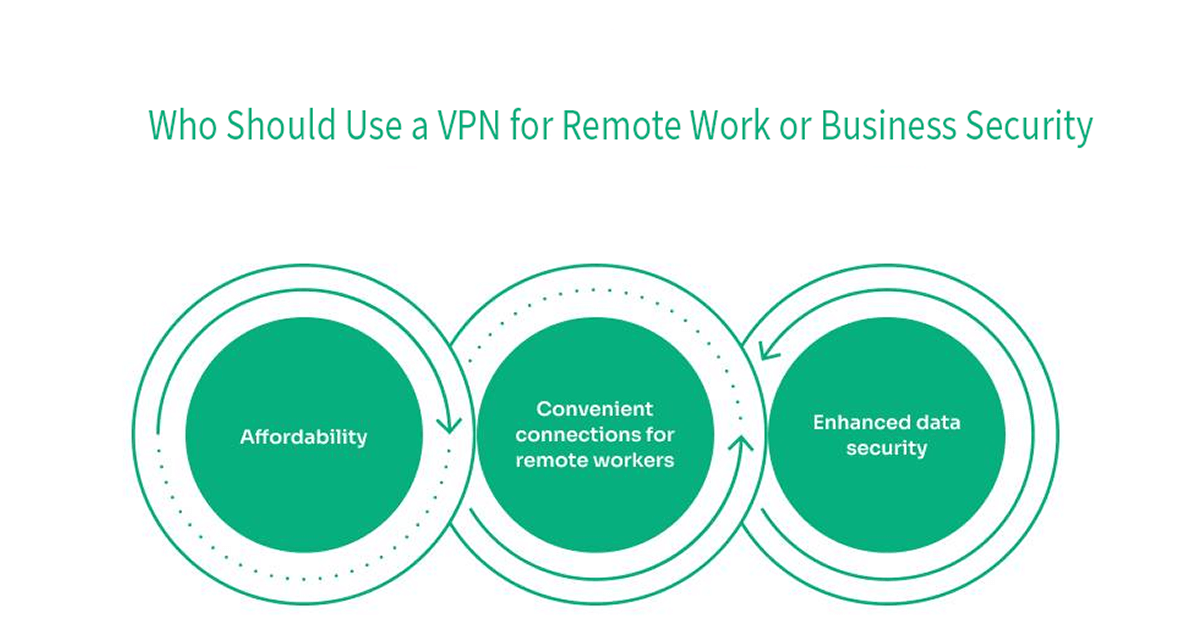
A VPN is essential for anyone involved in remote work or business operations that rely on secure data access. From remote employees and business owners to IT teams and contractors, VPN usage significantly reduces security risks.
For businesses adopting flexible work models, implementing a VPN is a practical and cost-effective step toward stronger cybersecurity and long-term operational stability.