Selecting a domain name is one of the most critical decisions when starting a business, launching a website, or building an online presence. Your domain isn’t just a web address it’s your digital identity, your first impression, and a long-term brand asset.
A strong domain name builds trust, boosts credibility, supports SEO, and makes your brand memorable. A weak or confusing domain, on the other hand, can hurt conversions and make it harder for customers to find you online.
This guide will walk you through domain name tips, branding principles, SEO best practices, legal considerations, and proven strategies for choosing the perfect domain name.
Why Your Domain Name Matters
Your domain name is often the first thing people see before visiting your site. It sets expectations and influences whether they click, trust, or buy from you.
A great domain name:
- Builds credibility and professionalism
- Increases brand recognition
- Makes your website easy to remember
- Supports SEO and visibility
- Simplifies marketing across platforms
- Strengthens your long-term digital presence
Think of your domain as prime digital real estate choose wisely because it’s a decision that lasts for years.
Step-by-Step Guide to Choosing the Right Domain Name
1. Start With Your Brand Name
Your domain should ideally match your business name for consistency and brand strength.
Example:
Brand: GreenNest Interiors
Domain: GreenNest.com or GreenNestInteriors.com
If the exact match isn’t available, consider:
- Adding a relevant keyword
- Including your location
- Using a different TLD
2. Keep It Short and Simple
Short domains are easier to remember and type. Aim for 6 – 15 characters.
Why short works:
- Fewer typing errors
- Clean and professional look
- Easy to share verbally and in marketing
Good: GlowSkin.com
Bad: GlowSkincareSolutionsForYouOnline.com
3. Make It Easy to Spell and Pronounce
Avoid complicated spellings, double letters, or hard-to-pronounce words. If people can’t say it easily, they won’t remember it.
4. Use Keywords Wisely
Keywords can help with SEO, but don’t overdo it. Combine your brand with a relevant keyword naturally.
Examples:
- PrimeTechSolutions.com
- HealthyBitesKitchen.com
- UrbanFitGym.com
Avoid keyword stuffing like:
best-cheap-tech-services-online.com
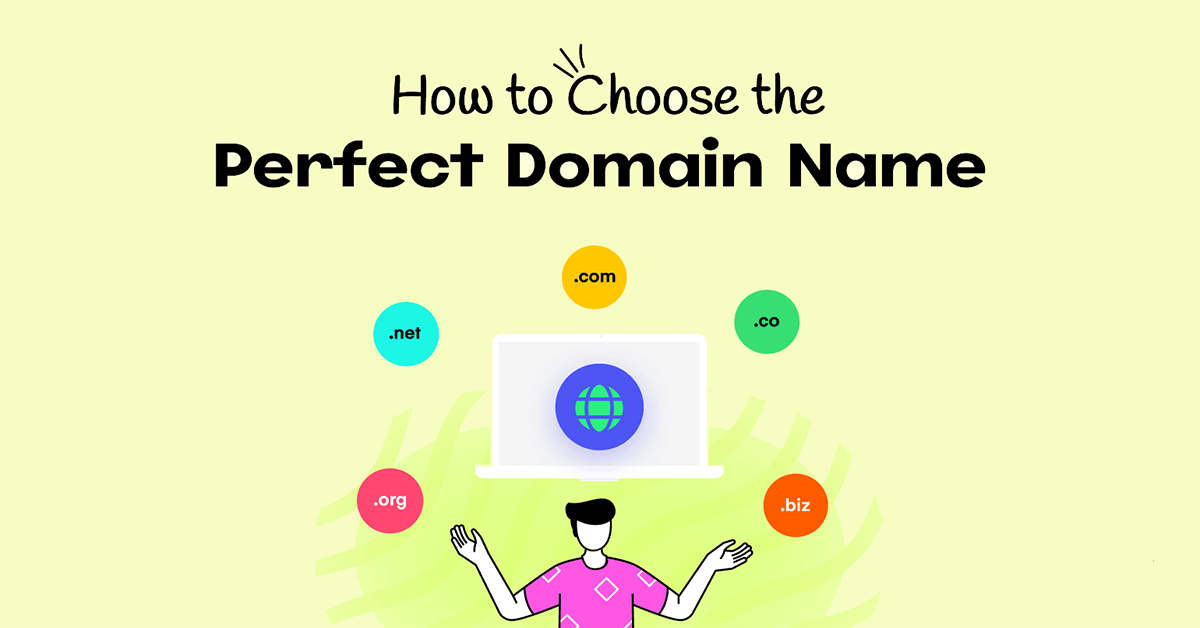
5. Choose the Right Domain Extension (TLD)
Your TLD impacts trust and positioning.
Popular TLDs:
- .com → Most trusted and memorable
- .org → Nonprofits, organizations
- .net → Tech, networking
- .co → Startups
- .io → Tech companies
- .store / .shop → eCommerce
- Country-specific (.bd, .uk, .us) → Local businesses
Whenever possible, choose .com for maximum trust.
6. Check Availability and Legality
Before finalizing:
- Ensure the domain is available
- Check for trademarks
- Verify social media handle availability
- Avoid domains with spam history
7. Think Long-Term
Pick a domain that can grow with your business. Avoid overly specific names tied to a year or trend.
Limiting: DhakaCarRent2024.com
Better: DhakaCarRentals.com
8. Avoid Hyphens and Numbers
They make your domain harder to share and remember. Stick to letters only.
Branding Principles for Domain Names
- Memorability: Short, simple, and easy to recall
- Uniqueness: Stand out from competitors
- Authority: Sound professional and trustworthy
SEO Best Practices
- Keep it short and readable
- Use keywords naturally
- Avoid hyphens and numbers
- Choose a trusted TLD
- Make it user-friendly first, SEO-friendly second
Google favors domains that look natural and brand-oriented—not spammy.
Do’s and Don’ts
Do:
✔ Match your brand name
✔ Keep it short
✔ Use relevant keywords
✔ Choose a trusted TLD
✔ Check legal safety
✔ Think long-term
Don’t:
✘ Use numbers or hyphens
✘ Copy existing brands
✘ Choose overly long names
✘ Rely on keyword stuffing
Examples
Good:
- FreshHomeDecor.com
- NexaDigital.co
- FitNation.io
Bad:
- best-decor-products-cheap-2025.com
- freshhhomedecor123.com
Legal Considerations
Check for:
- Trademark conflicts
- Copyright issues
- Similar registered names
Use official trademark databases and business registries to avoid legal trouble.
Conclusion
Your domain name is a powerful branding tool. By following these principles branding, SEO, and legal checks you’ll secure a domain that builds trust and supports your growth for years to come.