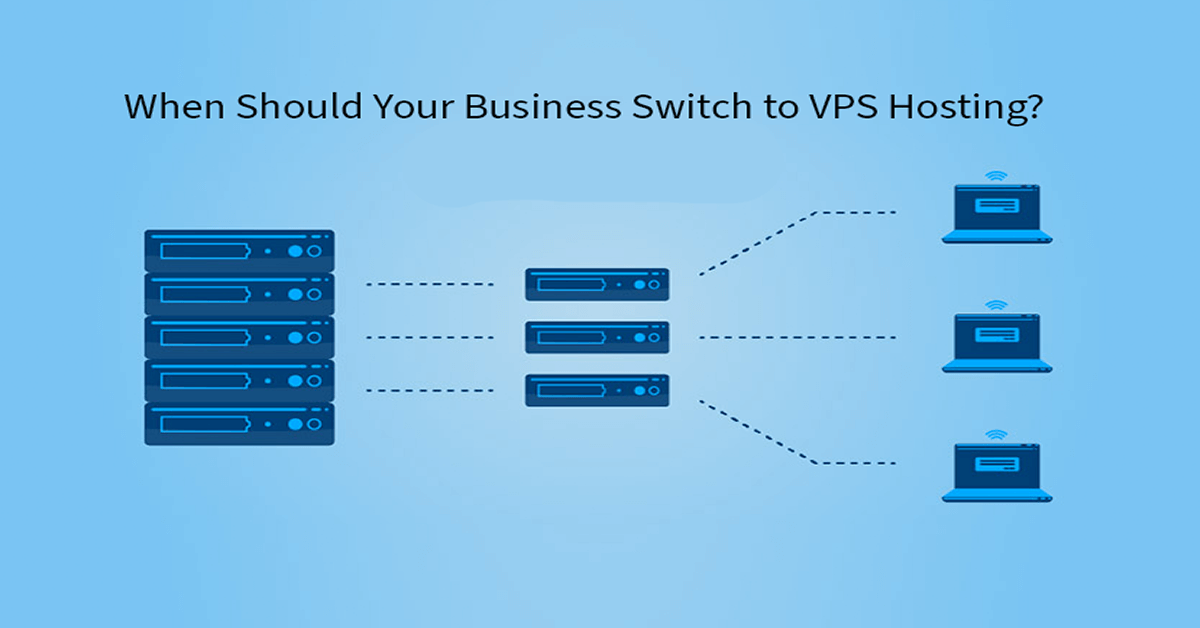
As a business grows, its website and online systems face higher demands for performance, security, and reliability. Many businesses begin with shared hosting because it is affordable and simple to manage. However, shared hosting often becomes limiting as traffic increases and business operations expand.
VPS hosting, or Virtual Private Server hosting, provides dedicated resources, improved security, and greater control. Knowing the right time to switch to VPS hosting helps businesses avoid performance issues, security risks, and lost opportunities.
Signs Your Business Has Outgrown Shared Hosting
Shared hosting works well for small websites with low traffic. Over time, growing businesses often experience challenges that indicate it is time to upgrade.
1. Your Website Is Experiencing Slow Performance
If your website loads slowly or struggles during peak traffic hours, shared hosting may be the cause.
Since resources are shared among multiple websites, performance can drop when other sites on the same server use more CPU or memory. VPS hosting provides dedicated resources that ensure stable and consistent performance.
2. Increasing Website Traffic and User Activity
As traffic grows, shared hosting becomes less reliable.
Businesses receiving higher visitor numbers, running marketing campaigns, or offering online services often need VPS hosting to handle increased demand without downtime or performance loss.
3. You Need Better Security for Business Data
Security is a major concern for growing businesses.
Shared hosting environments are more vulnerable because multiple websites operate on the same server. VPS hosting offers isolated environments that significantly reduce security risks and protect sensitive customer and business data.
4. Your Website or Application Requires Custom Configurations
Shared hosting limits server-level customization.
If your business requires custom software, specific server settings, or advanced application configurations, VPS hosting provides the control needed to support these requirements.
5. You Are Running an eCommerce Website
eCommerce websites handle payments, customer information, and real-time transactions.
VPS hosting is better suited for online stores because it offers improved security, faster performance, and higher reliability. This results in better user experience and increased customer trust.
6. Frequent Downtime Is Affecting Your Business
Website downtime directly impacts revenue, credibility, and customer satisfaction.
If your business experiences frequent outages on shared hosting, switching to VPS hosting can significantly improve uptime and operational stability.
7. You Need Scalability for Future Growth
Businesses planning long-term growth need hosting that can scale easily.
VPS hosting allows you to upgrade CPU, RAM, and storage as needed without migrating to a new server. This flexibility supports expansion and changing business demands.
8. You Want More Control and Administrative Access
VPS hosting provides root or administrative access.
This allows businesses and development teams to manage server settings, install custom tools, and optimize performance according to specific requirements.
When VPS Hosting May Not Be Necessary
VPS hosting may not be required if:
- Your website has low traffic
- You do not handle sensitive data
- Budget constraints are a priority
- Basic functionality meets your needs
In such cases, shared hosting can still be a suitable option.
Conclusion
Switching to VPS hosting is a strategic decision that supports business growth, security, and performance. When your website experiences higher traffic, security needs, or technical requirements, VPS hosting becomes a valuable upgrade.
For businesses focused on reliability, scalability, and long-term success, VPS hosting provides a strong and flexible foundation for online operations.