Choosing the right web hosting is one of the most important decisions when building a website. No matter how well-designed or feature-rich your website is, poor hosting can lead to slow loading times, downtime, and security issues.
In this article, we’ll break down the different types of web hosting, explain how they work, and help you understand which option is best for your website.
What Is Web Hosting?
Web hosting is a service that allows your website to be accessible on the internet. Hosting providers store your website’s files, databases, and content on servers and deliver them to users when they visit your domain.
Different websites have different needs, which is why multiple types of hosting exist-each with its own advantages and limitations.
The type of hosting you choose directly affects:
- Website speed and performance
- Security and data protection
- Scalability and growth
- Downtime and reliability
- Overall user experience
Selecting the wrong hosting can slow down your website and negatively impact your business.
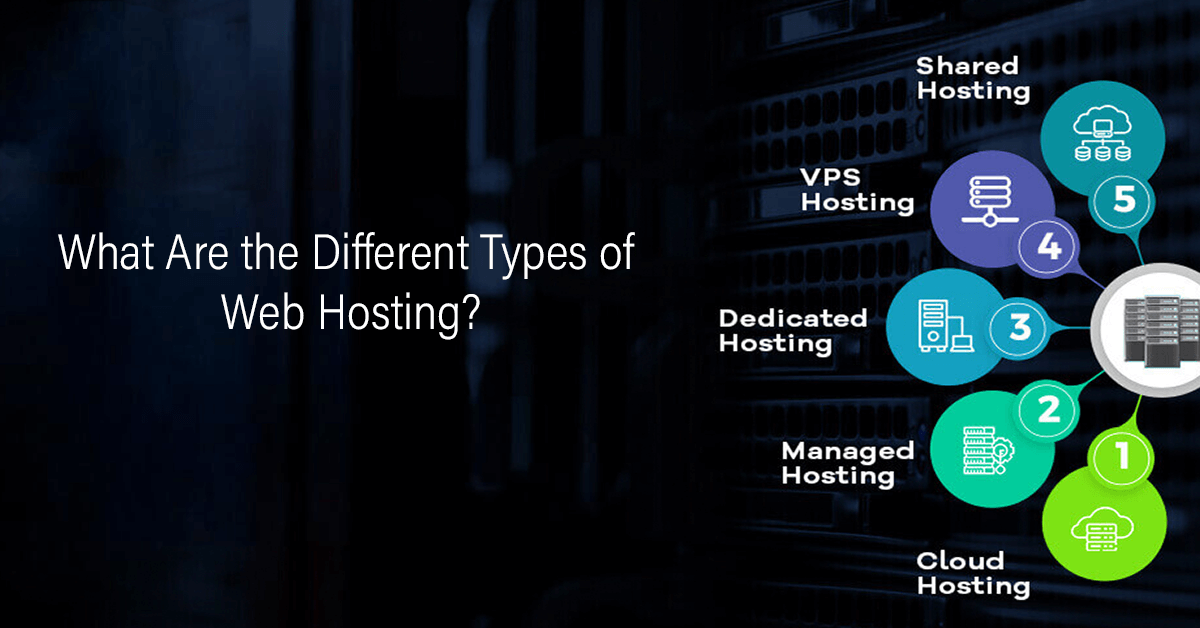
Types of Web Hosting Explained
Let’s explore the most common types of web hosting and when to use them.
1. Shared Hosting
Shared hosting is the most basic and affordable hosting option. Multiple websites share the same server resources, including CPU, memory, and storage.
Best for:
- Small websites
- Personal blogs
- Startups and beginners
Pros:
- Low cost
- Easy to manage
- No technical expertise required
Cons:
- Limited performance
- Shared resources can affect speed
- Less control and customization
2. VPS (Virtual Private Server) Hosting
VPS hosting provides a virtualized server environment where resources are allocated specifically to your website, even though you still share a physical server with others.
Best for:
- Growing websites
- Medium-sized businesses
- Developers needing more control
Pros:
- Better performance than shared hosting
- More control and customization
- Scalable resources
Cons:
- More expensive than shared hosting
- Requires some technical knowledge
3. Dedicated Hosting
With dedicated hosting, you get an entire physical server exclusively for your website. This offers maximum performance, security, and control.
Best for:
- High-traffic websites
- Large businesses
- Enterprise-level applications
Pros:
- Full control over server resources
- High performance and reliability
- Strong security
Cons:
- High cost
- Requires advanced server management skills
4. Cloud Hosting
Cloud hosting uses a network of connected servers instead of a single physical server. This allows your website to scale resources dynamically based on traffic.
Best for:
- Scalable applications
- E-commerce websites
- Businesses expecting traffic fluctuations
Pros:
- High uptime and reliability
- Easy scalability
- Pay-as-you-use pricing model
Cons:
- Can become costly with high usage
- Requires proper configuration
5. Managed Hosting
Managed hosting means the hosting provider takes care of server management tasks such as updates, security, backups, and performance optimization.
Best for:
- Business owners
- Non-technical users
- WordPress or CMS-based websites
Pros:
- Less technical responsibility
- Enhanced security and performance
- Dedicated support
Cons:
- Higher cost
- Less control over server settings
6. WordPress Hosting
WordPress hosting is specifically optimized for WordPress websites. It often includes features like automatic updates, caching, and enhanced security.
Best for:
- WordPress blogs
- Business websites
- Content-focused platforms
Pros:
- Optimized performance for WordPress
- Easy setup and management
- Built-in security features
Cons:
- Limited flexibility for non-WordPress sites
How to Choose the Right Hosting for Your Website
When selecting a hosting type, consider the following factors:
- Website size and traffic
- Budget and scalability needs
- Technical expertise
- Security requirements
- Future growth plans
There’s no one-size-fits-all solution-the best hosting depends on your specific goals.
Final Thoughts
Understanding the different types of web hosting helps you make informed decisions that support your website’s performance and growth. From shared hosting for small projects to cloud and dedicated hosting for large-scale applications, each option serves a unique purpose.
Choosing the right hosting ensures better speed, security, and reliability-giving your users the best possible experience.
If you need help selecting or setting up the right hosting solution, working with an experienced development team can save time and prevent costly mistakes.