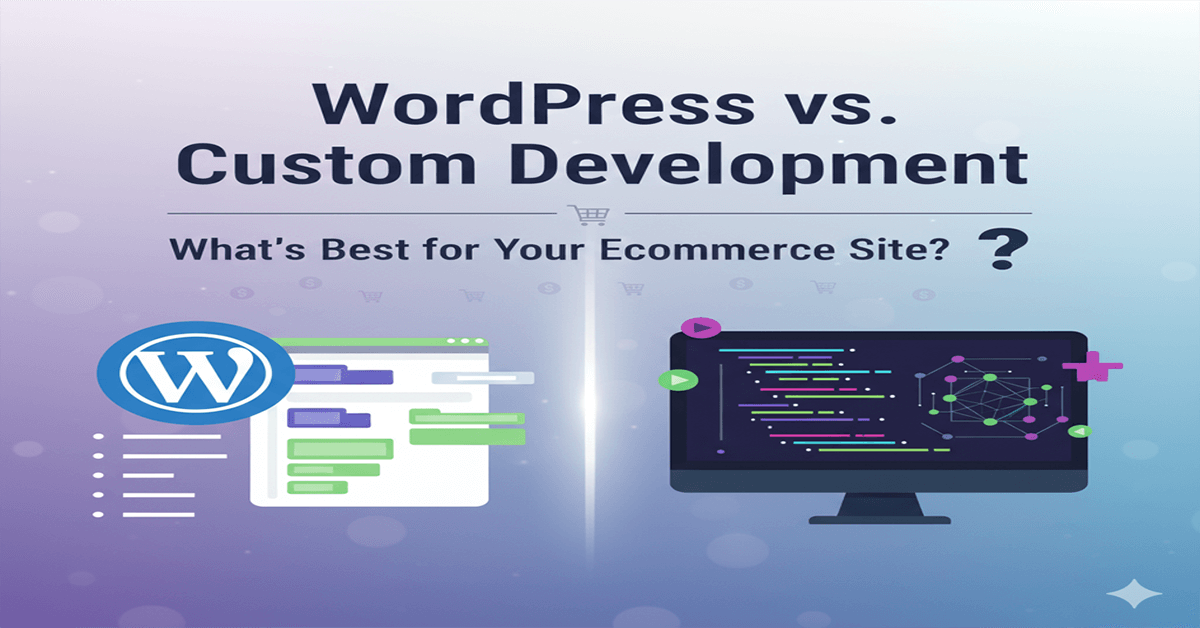
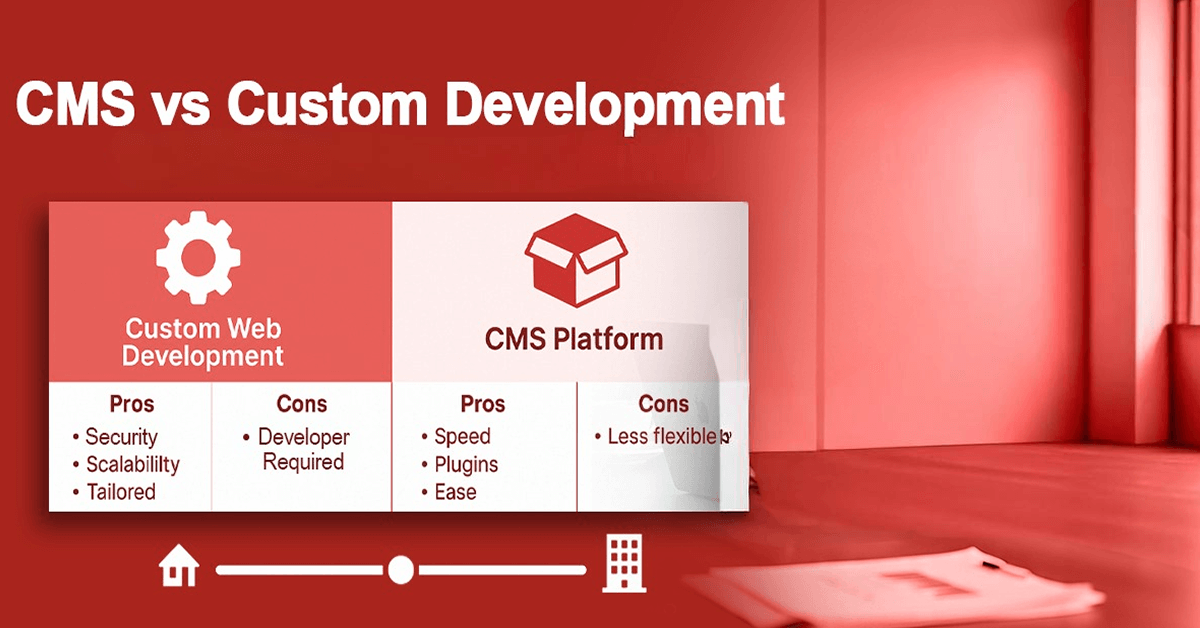
Businesses looking to establish an online presence often face the choice between using a CMS (Content Management System) or investing in a fully custom-built website. Each approach has its advantages and limitations depending on business needs, budget, and long-term goals.
Understanding the pros and cons of each option helps businesses make informed decisions that align with their objectives.
CMS Websites: Pros and Cons
Pros
- Faster Development
CMS websites can be launched quickly using pre-built templates, themes, and plugins. - Cost-Effective
Lower upfront costs make CMS platforms ideal for small and medium-sized businesses or startups. - Ease of Content Management
Non-technical users can update content, add pages, or manage media easily without coding skills. - Extensive Plugin and Theme Ecosystem
Large variety of plugins and themes allow customization for many common functionalities. - Community Support
Popular CMS platforms have large communities and resources for troubleshooting, tutorials, and extensions.
Cons
- Limited Customization
CMS platforms may not support complex features without workarounds or expensive plugins. - Performance Constraints
High traffic or resource-intensive websites may experience slower performance. - Security Risks
Relying on third-party plugins and themes can introduce vulnerabilities if not maintained properly. - Dependency on Platform Updates
Businesses rely on the CMS vendor and plugin developers for updates and compatibility.
Custom-Built Websites: Pros and Cons
Pros
- Full Customization
Custom websites allow complete control over design, functionality, and user experience. - Scalability
Built to handle growth in traffic, data, and features without major limitations. - Enhanced Security
Security can be built directly into the system, reducing reliance on third-party tools and minimizing vulnerabilities. - Tailored Integrations
Custom development allows seamless integration with enterprise systems, APIs, and third-party tools. - Long-Term Control
Businesses fully own the codebase, architecture, and system behavior, allowing flexibility for future updates.
Cons
- Higher Cost
Custom development requires a larger initial investment compared to CMS solutions. - Longer Development Time
Building a custom website from scratch takes more time than using pre-built CMS components. - Requires Technical Expertise
Maintenance, updates, and troubleshooting require professional technical knowledge or dedicated staff. - Resource Intensive
Custom projects may need more server resources and ongoing optimization to maintain performance.
Choosing the Right Option
- CMS Websites: Best for businesses needing quick deployment, content-focused sites, limited budgets, and frequent content updates.
- Custom-Built Websites: Best for enterprises or projects with complex workflows, high security requirements, scalability needs, and long-term strategic goals.
Conclusion
Both CMS and custom-built websites have unique benefits and limitations. CMS platforms offer speed, affordability, and ease of use, while custom development provides unmatched flexibility, scalability, and control.
Understanding the pros and cons of each option helps businesses choose the right approach, ensuring their website or application aligns with operational requirements and long-term objectives.