

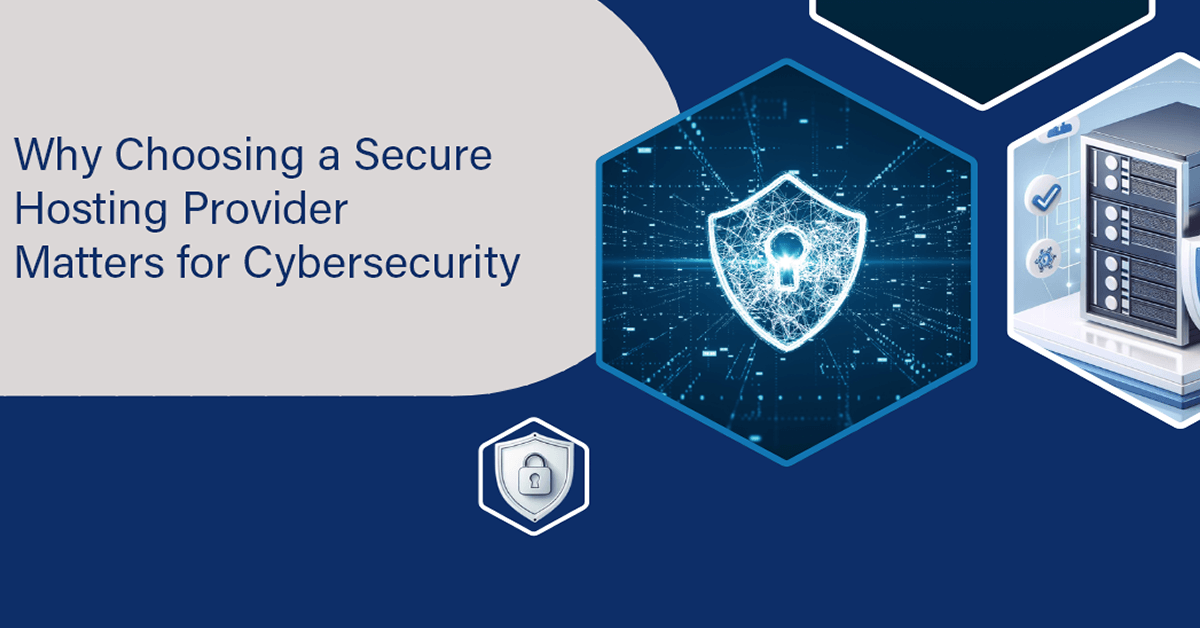
In today’s digital landscape, cybersecurity is no longer optional for businesses. Websites, applications, and online systems are constant targets for cyber attacks, data breaches, and service disruptions. While many businesses focus on software security, the importance of choosing a secure hosting provider is often underestimated.
Your hosting provider forms the foundation of your online infrastructure. A secure hosting environment plays a critical role in protecting data, ensuring website availability, and defending against cyber threats. Understanding why secure hosting matters helps businesses make smarter decisions for long-term digital safety.
The Role of Hosting in Cybersecurity
Web hosting is where your website’s files, databases, and applications live. If the hosting environment is weak, even the most secure website code can be compromised.
A secure hosting provider implements infrastructure-level protections that safeguard your data before threats reach your website or application.
1. Protection Against Cyber Attacks
Secure hosting providers deploy advanced security measures such as firewalls, intrusion detection systems, and malware scanning.
These protections help prevent common attacks including brute-force attempts, DDoS attacks, and malicious code injections. This reduces downtime and protects business operations from disruption.
2. Data Encryption and Secure Connections
A reliable hosting provider supports SSL certificates and encrypted data transmission.
Encryption ensures that data exchanged between users and servers remains private and protected from interception. This is essential for websites handling login credentials, payment information, or customer data.
3. Regular Server Updates and Patch Management
Outdated server software is one of the most common causes of security breaches.
Secure hosting providers maintain up-to-date operating systems, control panels, and server applications. Regular patching closes known vulnerabilities before attackers can exploit them.
4. Backup and Disaster Recovery Systems
Data loss can occur due to cyber attacks, hardware failures, or human error.
A secure hosting provider offers automated backups and reliable recovery options. This ensures that your website and data can be restored quickly, minimizing business downtime and financial loss.
5. Isolation Between Accounts and Resources
On low-quality hosting platforms, one compromised website can affect others on the same server.
Secure hosting providers use account isolation technologies to prevent cross-site contamination. This is especially important for shared and cloud hosting environments.
6. Monitoring and Threat Detection
Continuous monitoring is a key component of strong cybersecurity.
Secure hosting providers actively monitor server activity, network traffic, and system logs. Suspicious behavior is detected early, allowing rapid response before damage occurs.
7. Compliance and Data Protection Standards
Many businesses must comply with data protection and security regulations.
A secure hosting provider supports compliance requirements by implementing proper access controls, data protection measures, and security best practices. This reduces legal and reputational risks.
8. Performance Stability and Availability
Cyber attacks often target website availability.
Secure hosting environments are designed for high uptime and stability. Load balancing, redundancy, and DDoS protection help ensure that websites remain accessible even during attack attempts.
Who Needs Secure Hosting the Most
Secure hosting is essential for:
- Business websites and eCommerce stores
- Companies handling customer or financial data
- SaaS platforms and web applications
- Agencies managing multiple client websites
- Businesses focused on long-term growth and trust
Conclusion
Choosing a secure hosting provider is a critical cybersecurity decision, not just a technical one. Hosting security affects data protection, website availability, and overall business credibility.
By investing in a secure hosting provider, businesses strengthen their defenses against cyber threats, reduce operational risks, and build trust with users and customers. Secure hosting is the foundation of a safe and reliable online presence.