

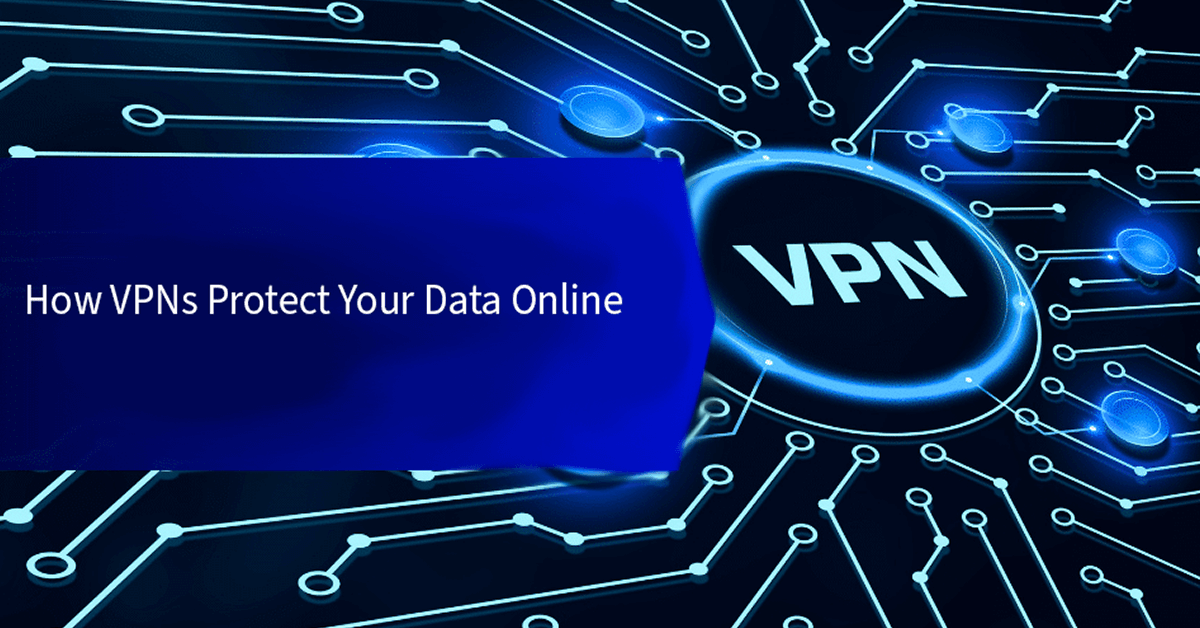
Every time you connect to the internet, your data travels through multiple networks before reaching its destination. Without proper protection, this data can be intercepted, monitored, or misused. VPNs play a critical role in securing online activity by protecting sensitive information from cyber threats.
A VPN, or Virtual Private Network, creates a secure connection between your device and the internet. It encrypts data, hides your identity, and ensures safe communication across both private and public networks. Understanding how VPNs protect your data online helps businesses and individuals make smarter security decisions.
1. Data Encryption
Encryption is the foundation of VPN security. When a VPN is active, all data sent from your device is encrypted before it travels across the internet.
This means that even if hackers or malicious actors intercept the data, they cannot read or use it. Encryption protects emails, passwords, financial transactions, and confidential business information.
2. Secure Tunneling of Internet Traffic
VPNs create a secure tunnel between your device and the VPN server. All internet traffic passes through this protected tunnel.
This prevents unauthorized access and shields your data from being exposed on unsecured networks such as public Wi-Fi in cafes, airports, or hotels.
3. IP Address Masking
Every internet connection uses an IP address that reveals your location and network identity. VPNs hide your real IP address and replace it with one from the VPN server.
This masking protects your identity, prevents tracking, and reduces the risk of targeted cyber attacks based on location or network behavior.
4. Protection Against Man in the Middle Attacks
Man in the middle attacks occur when attackers intercept communication between a user and a website. VPN encryption blocks these attacks by securing the data path.
This is especially important when accessing sensitive platforms such as online banking, business dashboards, or cloud systems.
5. Safe Use of Public Wi-Fi Networks
Public Wi-Fi networks are one of the biggest security risks online. Many public networks lack proper encryption, making them easy targets for attackers.
A VPN ensures that all data transmitted over public Wi-Fi remains encrypted and private, protecting login credentials and business communications.
6. Secure Access to Business Systems
For businesses, VPNs allow employees to securely connect to internal systems, servers, and applications from remote locations.
This ensures that sensitive company data remains protected while supporting flexible and remote work environments.
7. Reduced Online Tracking and Monitoring
VPNs limit online tracking by hiding IP addresses and encrypting traffic. Internet service providers, advertisers, and third parties are unable to easily monitor browsing behavior.
This improves privacy and reduces exposure to data profiling and unwanted surveillance.
8. Protection From Data Throttling and Interference
Some networks limit bandwidth based on usage or content type. VPNs prevent network providers from analyzing traffic, reducing the risk of throttling or interference.
This ensures a more stable and consistent online experience.
Who Should Use a VPN for Data Protection
VPNs are essential for:
- Businesses handling sensitive customer or financial data
- Remote and hybrid teams
- Travelers using public networks
- Professionals accessing cloud platforms
- Anyone concerned about online privacy
Conclusion
VPNs protect your data online by encrypting information, hiding your identity, and securing internet connections. They are a critical defense against cyber threats, especially in today’s remote and cloud-based work environment.
For businesses and individuals alike, using a VPN strengthens online security, protects sensitive data, and ensures safer internet usage. Investing in a reliable VPN solution is a practical step toward long-term digital safety.