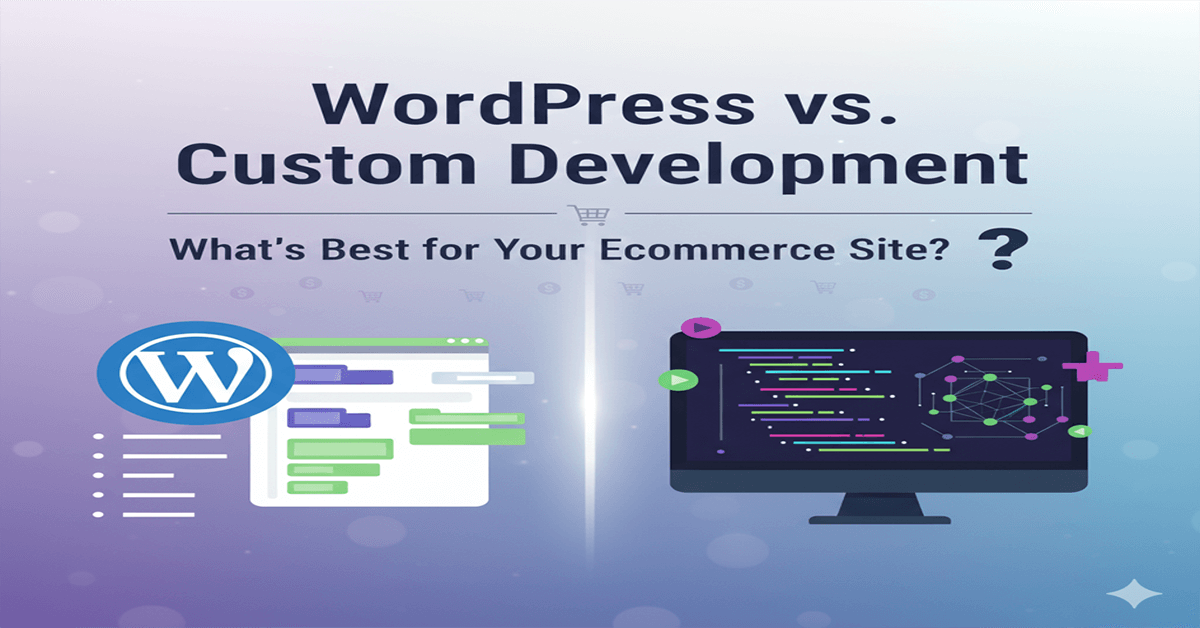
Choosing the right CMS platform is an important decision that affects website management, scalability, security, and long-term growth. WordPress, Joomla, and Drupal are three of the most widely used content management systems, each designed for different types of users and project requirements.
Understanding who each platform is best suited for helps businesses and organizations select the right foundation for their website.
Who Should Use WordPress
WordPress is the most popular CMS globally and is known for its ease of use and flexibility.
Best Suited For
- Small and medium-sized businesses
- Blogs and content-focused websites
- Startups and entrepreneurs
- Marketing teams managing frequent updates
- Businesses with limited technical resources
Why Choose WordPress
WordPress offers a user-friendly interface, a vast library of themes and plugins, and strong community support. It allows non-technical users to manage content easily while still offering customization options for developers. WordPress is ideal for businesses that want quick deployment and cost-effective website management.
Who Should Use Joomla
Joomla is a flexible CMS that balances usability and advanced functionality.
Best Suited For
- Medium-sized businesses
- Community portals and membership websites
- Multilingual websites
- Organizations needing structured content management
- Users with some technical knowledge
Why Choose Joomla
Joomla provides more built-in functionality than WordPress for complex content structures and user management. It is well-suited for websites that require multiple content types, advanced access control, and multilingual support without relying heavily on third-party extensions.
Who Should Use Drupal
Drupal is a powerful CMS designed for complex, large-scale websites.
Best Suited For
- Large enterprises and organizations
- Government and educational institutions
- High-traffic websites
- Websites with strict security requirements
- Projects requiring custom workflows and integrations
Why Choose Drupal
Drupal offers advanced security, scalability, and performance. It allows full control over content architecture and system behavior, making it ideal for enterprise-level projects. While it requires technical expertise, Drupal provides unmatched flexibility for complex digital platforms.
WordPress vs Joomla vs Drupal at a Glance
- Ease of use: WordPress is the easiest, Joomla is moderate, Drupal is advanced
- Flexibility: Drupal offers the highest flexibility, followed by Joomla and WordPress
- Scalability: Drupal is best for large-scale growth, WordPress and Joomla suit small to medium growth
- Security: Drupal offers enterprise-grade security, Joomla and WordPress require proper configuration
- Development cost: WordPress is the most cost-effective, Drupal requires higher investment
How to Choose the Right CMS for Your Website
Choose WordPress if you need fast deployment, simple content management, and cost efficiency.
Choose Joomla if your website requires structured content, multilingual support, and moderate customization.
Choose Drupal if your project demands enterprise-level security, scalability, and fully customized functionality.
Conclusion
WordPress, Joomla, and Drupal each serve different website needs and business goals. WordPress is ideal for ease of use and affordability, Joomla offers balanced flexibility, and Drupal excels in complex and enterprise environments.
Selecting the right CMS ensures better performance, easier management, and long-term success for your website.