


Reliable web hosting is no longer a “nice to have” it’s a foundational requirement for any serious online presence. In 2026, websites are expected to load instantly, remain online 24/7, handle traffic spikes effortlessly, and protect user data by default. Whether you’re a small-business owner, developer, blogger, startup founder, or WordPress user, your hosting provider directly impacts performance, SEO rankings, conversions, and long-term growth.
This guide breaks down what reliable web hosting means in 2026, which providers consistently deliver, and how to choose the right solution for your specific needs without hype or sales fluff.
Why Reliable Web Hosting Is Critical in 2026?
The modern web has changed dramatically over the past few years, and 2026 continues that trajectory.
Performance is Non-Negotiable
Search engines and users expect fast websites. Core Web Vitals, real-user performance metrics, and mobile-first indexing mean slow hosting directly hurts rankings and revenue.
Uptime Equals Trust
Even minutes of downtime can cost sales, damage credibility, and impact SEO. Reliability now means real uptime, not just marketing promises.
Security Threats Are More Sophisticated
From automated bot attacks to supply-chain vulnerabilities, websites face constant threats. Hosting providers are now a critical part of your security stack.
Scalability Is a Requirement, Not a Feature
Traffic can spike overnight due to ads, social media, or viral content. Hosting must scale without crashes or manual intervention.
Cloud, Edge & CDN Performance Matter
Modern hosting relies on distributed cloud infrastructure, global data centers, and edge/CDN delivery to serve users close to their location.
Sustainability Is Becoming a Standard
Green hosting is no longer niche. Businesses and consumers increasingly care about carbon footprint and energy efficiency.
In short, reliable web hosting in 2026 means speed, uptime, security, scalability, sustainability, and global performance all working together.
What Makes a Web Hosting Provider Reliable in 2026 (and Beyond)?
While the fundamentals were established earlier, expectations in 2026 are shaped by standards that matured around 2025.
Speed & Core Web Vitals
A reliable host should offer:
- SSD or NVMe storage
- Optimized server stacks (LiteSpeed, NGINX, or optimized Apache)
- Built-in caching
- HTTP/3 and modern PHP versions
Fast web hosting is essential for SEO and user experience.
Uptime Guarantees
Look for:
- 99.9% uptime or higher
- Redundant infrastructure
- Proactive monitoring
- Transparent status pages
Uptime guarantees only matter if the provider has a proven track record.
Security Features
Reliable hosting includes:
- Free SSL certificates
- Web application firewalls (WAF)
- Malware scanning and cleanup
- Automated daily backups
- Account isolation
Security is no longer optional especially for WordPress hosting.
Customer Support
When things break, support quality becomes obvious.
- 24/7 availability
- Fast response times
- Knowledgeable technical staff
- WordPress and server expertise
Scalability & Cloud Infrastructure
Modern hosting should scale via:
- Cloud-based resources
- Easy plan upgrades
- Load balancing
- Managed cloud options
This is especially important for growing businesses and startups.
Sustainability & Eco-Friendly Hosting
Green hosting providers:
- Use renewable energy
- Offset carbon emissions
- Operate energy-efficient data centers
Sustainability is increasingly part of brand trust.
Top Reliable Web Hosting Providers in 2026
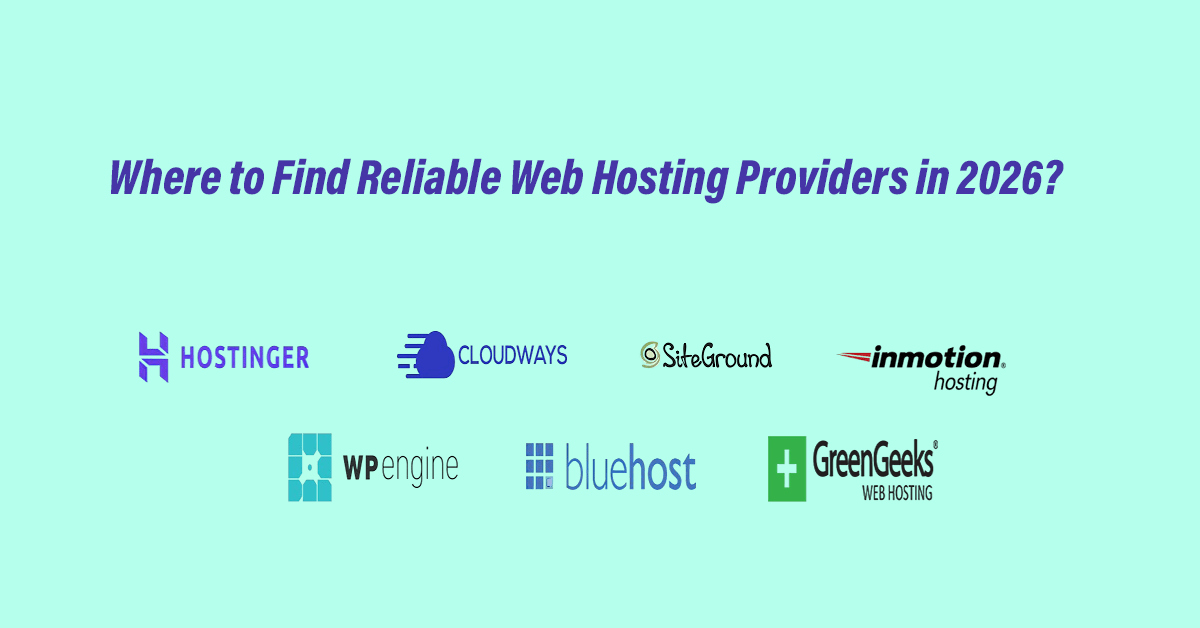
Below are hosting companies that continue to stand out for reliability, performance, and long-term value.
Hostinger: Best Value & Beginner-Friendly
Key Strengths
- Excellent performance for the price
- Simple custom control panel
- Global data centers
- Strong entry-level cloud hosting options
Best Use Cases
- Personal websites
- Small businesses
- New bloggers
- Budget-conscious projects
Who Should Choose It
Hostinger is ideal if you want reliable web hosting without paying premium prices, especially when starting out.
SiteGround: WordPress Optimization & Support
Key Strengths
- Google Cloud infrastructure
- Outstanding customer support
- Advanced WordPress tools
- Strong security and daily backups
Best Use Cases
- WordPress websites
- Business sites
- Agencies managing client sites
Who Should Choose It
If WordPress performance and support matter more than the lowest price, SiteGround is a top choice.
Bluehost: Easy WordPress Setup for Beginners
Key Strengths
- Officially recommended by WordPress
- Beginner-friendly dashboard
- One-click WordPress installation
- Integrated domain and email
Best Use Cases
- First-time website owners
- Simple blogs
- Small WordPress projects
Who Should Choose It
Bluehost suits users who want an easy, guided start with WordPress and minimal technical complexity.
Cloudways: Powerful Managed Cloud Hosting
Key Strengths
- Choice of top cloud providers (DigitalOcean, AWS, Google Cloud, etc.)
- Excellent performance and scalability
- Managed security and updates
- Pay-as-you-go flexibility
Best Use Cases
- High-traffic websites
- Developers
- Growing businesses
- Performance-critical projects
Who Should Choose It
Cloudways is ideal if you want cloud hosting power without managing servers yourself.
WP Engine: Premium Managed WordPress Hosting
Key Strengths
- Enterprise-grade WordPress optimization
- Advanced security and staging
- Excellent developer tools
- Global CDN and edge delivery
Best Use Cases
- High-value WordPress sites
- Businesses where downtime is costly
- Agencies and enterprises
Who Should Choose It
WP Engine is best for users who prioritize performance, security, and reliability over price.
InMotion Hosting Scalable Business Hosting
Key Strengths
- Strong VPS and dedicated hosting
- Excellent customer support
- Reliable uptime
- Business-oriented features
Best Use Cases
- Small to mid-size businesses
- E-commerce sites
- Custom applications
Who Should Choose It
InMotion is a solid option for businesses planning to scale beyond basic shared hosting.
GreenGeeks Eco-Friendly Hosting Solution
Key Strengths
- 300% renewable energy match
- Solid performance and uptime
- Free SSL and nightly backups
- Environmentally responsible brand
Best Use Cases
- Eco-conscious businesses
- Blogs and small sites
- WordPress users wanting green hosting
Who Should Choose It
Choose GreenGeeks if sustainability is part of your brand values without sacrificing reliability.
Best Hosting Providers by Category
Best Overall / Best Value
Hostinger Excellent balance of performance, features, and affordability.
Best for WordPress
SiteGround (best support & optimization)
WP Engine (premium, enterprise-level WordPress hosting)
Best for Beginners
Bluehost Simple setup and beginner-friendly experience.
Best for Performance & Cloud Hosting
Cloudways Outstanding scalability and cloud performance.
Best for Support
SiteGround and InMotion Hosting consistently rank highest for customer support quality.
Best for E-commerce
SiteGround, InMotion Hosting, and Cloudways for WooCommerce and scalable stores.
Best Budget Hosting
Hostinger Reliable performance at entry-level pricing.
How to Choose the Right Hosting Provider?
Choosing the best hosting provider depends on your goals not just price.
Tips for Beginners
- Start with shared or entry-level cloud hosting
- Prioritize support and ease of use
- Avoid overpaying for features you won’t use yet
Tips for WordPress Users
- Look for managed WordPress features
- Ensure automatic updates and backups
- Performance optimization matters more than storage size
Tips for Growing Businesses
- Choose scalable cloud infrastructure
- Ensure easy upgrades without downtime
- Invest in security and backups early
Tips for High-Traffic or Performance-Focused Sites
- Use cloud or managed hosting
- Prioritize global CDN and edge delivery
- Choose providers with proven uptime history
Conclusion
In 2026, reliable web hosting is about long-term stability, performance, and trust not just low pricing. The best hosting providers combine fast infrastructure, strong security, responsive support, and scalable cloud technology.
Key Takeaways
- Reliable hosting directly impacts SEO, conversions, and brand trust
- Performance and uptime matter more than advertised features
- Cloud and managed hosting are becoming the standard
- Sustainability is increasingly part of professional hosting decisions
Instead of choosing the cheapest option, invest in a hosting provider that can support your website today and as it grows tomorrow. Reliable web hosting is not an expense it’s an infrastructure decision that defines your online success.